


A Diamond Cut Wheel Refurbishment Review
A kerbed diamond cut alloy can make an otherwise well-kept car look tired from the pavement. This diamond cut wheel refurbishment review looks at what you actually get for your money, how the finish compares with a replacement wheel, and when a different repair may be the better choice.
Diamond cutting is one of the most striking alloy wheel finishes available. It creates the bright, precision-machined face often seen on premium cars, contrasting with painted pockets, spokes or inner barrels. When refurbished properly, it can restore the crisp factory-style appearance that lacquer damage, corrosion and kerb marks quickly spoil.
What a diamond cut wheel refurbishment involves
A proper refurbishment is not a quick polish over the damage. The wheel is removed, inspected and prepared before the cosmetic work begins. Old coatings and corrosion are stripped away, kerb damage is repaired, and the wheel is checked for issues that could affect safety or the final finish.
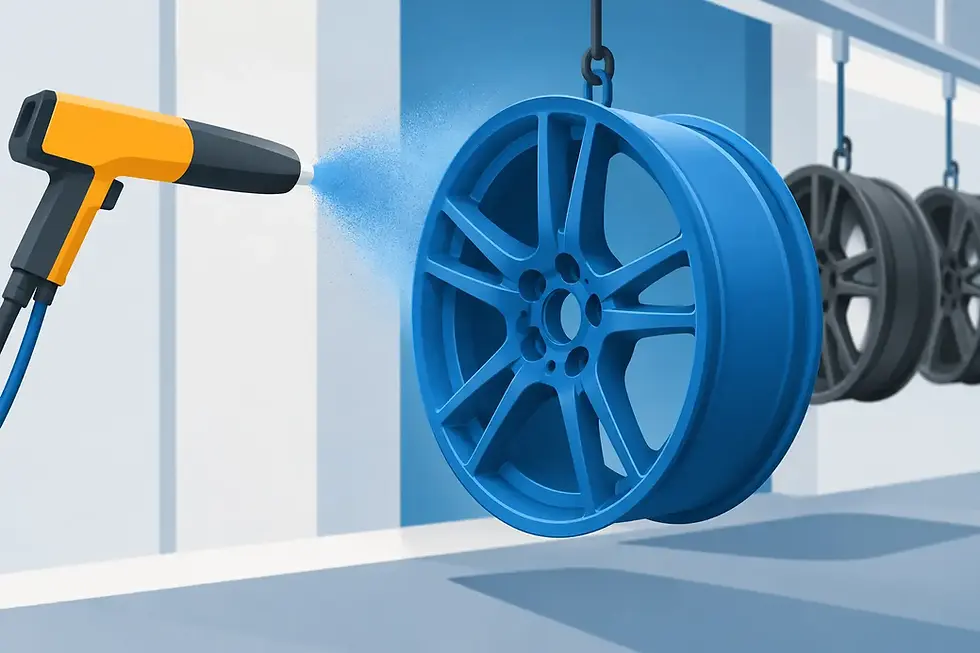
Once the wheel is sound, it is normally powder coated in its base colour. A CNC diamond-cutting lathe then removes a fine layer of metal from the face, revealing the bright machined pattern. Finally, clear protective lacquer is applied and cured to protect the exposed alloy from road salt, moisture and brake dust.
The result should look clean, even and sharp rather than overly polished. The machining lines should suit the wheel design, the painted areas should be well defined, and the lacquer should sit smoothly across the face. A quality refurbishment brings the wheel back to life without the cost of buying a new set.
Diamond cut wheel refurbishment review: the real benefits
The main benefit is visual impact. Diamond-cut wheels catch the light in a way a standard painted finish cannot, giving a car a fresher, more premium appearance. On executive saloons, performance models and newer SUVs, restoring the original finish can make a bigger difference than many owners expect.
It can also be a sensible financial decision. A genuine replacement alloy can be expensive, especially where a wheel is specific to a trim level or difficult to source. Refurbishment is often far more cost-effective when the wheel is structurally sound and the damage is limited to kerbing, peeling lacquer or surface corrosion.
There is a resale benefit too. Scuffed wheels can suggest poor overall care, even when the car is mechanically excellent. Clean, matching alloys help present the vehicle properly when it is time to sell, part-exchange or return a leased vehicle.
Convenience matters as well. For drivers around Sudbury, Suffolk and Norfolk, collection and delivery can remove the usual disruption of arranging lifts, taking time off work or leaving the car at a garage all day. A specialist service should make refurbishment straightforward, not another job on your list.
Where the finish can fall short
Diamond cutting is not automatically the right answer for every wheel. Because a thin layer of alloy is machined away, there is a limit to how many times a wheel can safely be diamond cut. A reputable specialist will assess this before promising a finish. If the wheel has already been cut several times, a painted or powder-coated finish may be the more responsible option.
Durability also depends on how the vehicle is used and maintained. The lacquer protects the machined face, but once it is chipped by a kerb strike or stone impact, moisture can creep underneath. This may lead to the familiar white, cloudy corrosion around the edges of spokes or near the centre cap.
British winter roads are particularly hard on diamond-cut wheels. Salt, standing water and strong wheel cleaners can shorten the life of the lacquer if they are left in place. That does not mean diamond cutting is unsuitable for daily drivers. It means the finish needs sensible care, just as paintwork and polished trim do.
There is also a cost trade-off. Diamond cutting requires specialist equipment and a controlled process, so it is typically more involved than a straightforward single-colour powder coat. If you want the toughest practical finish for a hard-working vehicle, a fully powder-coated wheel may offer better long-term resilience at a lower cost.
What to check before approving the work
The right repair starts with an honest inspection. Cosmetic kerb damage is usually straightforward, but cracks, buckles and severe corrosion need separate attention. A cracked wheel may require welding, while a distorted rim may need straightening before any refurbishment can be considered.
Ask whether the wheel will be inspected for structural damage and whether the repairer can deal with it in-house. A wheel can look excellent on the front face while hiding a buckle on the inner rim. Finishing a wheel without resolving that issue is false economy.
You should also be clear about the finish you are choosing. Some wheels have a factory diamond-cut face with painted inserts; others are entirely painted silver but can be mistaken for machined alloys. A good specialist will explain what is possible, show you the appropriate finish option and avoid selling a process that does not suit the wheel.
Price should be transparent rather than vague. The cheapest quote is not always the best value if it excludes tyre removal, balancing, valve replacement, structural checks or preparation work. Compare like for like and look for workmanship backed by a clear quality guarantee.
How long will refurbished diamond cut wheels last?
There is no honest fixed number because wheel life depends on mileage, storage, cleaning habits, local road conditions and future kerb damage. A carefully refurbished wheel that is cleaned regularly can stay smart for years. One driven daily through winter, parked close to high kerbs and cleaned with harsh acidic products may show corrosion much sooner.
The best way to protect the finish is simple. Rinse off road salt and brake dust regularly, use a pH-neutral wheel cleaner, and avoid aggressive brushes around the edges of spokes. Do not apply harsh acid cleaners intended for neglected commercial wheels. They can attack the lacquer and leave a finish looking dull or patchy.
If you notice a small chip or lifting lacquer, deal with it early. Waiting for corrosion to spread can turn a local issue into a full refurbishment job. The same applies after a kerb strike: inspect the tyre sidewall as well as the wheel, particularly if the impact was heavy.
Is diamond cutting worth the cost?
For a car with original diamond-cut alloys in good structural condition, the answer is usually yes. It preserves the intended look of the vehicle, improves kerb appeal and avoids the cost of replacing otherwise serviceable wheels. It is particularly worthwhile where the wheels are a major part of the car's design.
For vehicles used heavily on poor roads or through frequent winter mileage, it depends on your priorities. If appearance is the main goal, diamond cutting gives the closest factory-style result. If you want maximum resistance to chips and corrosion, a full powder-coated finish is often the more practical choice.
At Uniten Partners Ltd, the focus is on giving drivers the right repair rather than a one-size-fits-all answer. A proper assessment, competitive pricing and a guaranteed quality finish give you confidence that the work is being done for the long term.
A refurbished wheel should not merely hide damage for a few weeks. Choose a specialist who checks the condition properly, explains the options plainly and stands behind the finish. That is how a set of tired alloys becomes a feature you are pleased to see every time you walk back to the car.


Comments